Commercial and SEZ Investment near Devanahalli Airport in 2026
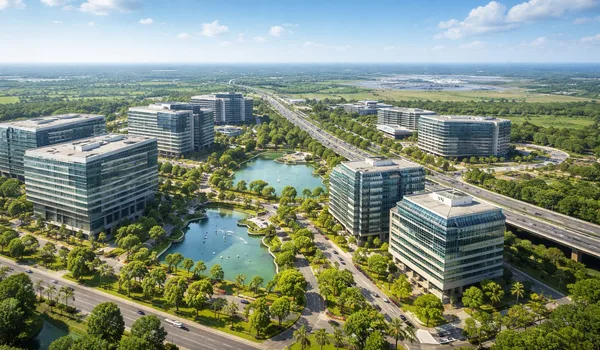
Commercial and SEZ investment near Devanahalli airport in 2026 is a real opportunity, but it is not one bet, it is several. The airport, the KIADB Aerospace Park, a hardware special economic zone and planned business parks anchor demand for office space, retail, warehousing and industrial land, and each of those segments carries a different entry cost, return driver and risk. Getting the segment right for your horizon and holding power matters more here than in housing.
This guide breaks down the main commercial routes near Devanahalli, gives indicative entry costs and the driver behind each return, and is honest about the risks. It is a framework for weighing the options, not a recommendation to buy any specific asset, so treat every figure as indicative and do your own diligence.
Commercial Segments near Devanahalli Airport 2026 Overview
The table sets the main commercial segments side by side on entry cost and what drives the return.
| Segment | What it is | Return driver |
|---|---|---|
| Office / IT space | Units in business parks and tech blocks | Corporate leases and airport-corridor jobs |
| Retail / high street | Shops and F&B in and near townships | Growing resident and workforce footfall |
| Warehousing / logistics | Sheds near NH-44 and the airport | Air cargo, e-commerce and 3PL demand |
| Industrial / SEZ land | KIADB aerospace and hardware plots | Manufacturing and allotment-led units |
| Hospitality / serviced | Hotels and serviced apartments near the airport | Business and transit travellers |
Segments and drivers indicative, as of July 2026 — confirm current prices, approvals and lease terms before you invest.
Why the Airport Belt Draws Commercial Capital
The commercial case for the Devanahalli belt rests on one fact: it is Bengaluru's airport corridor, and airports pull jobs, cargo and travellers. The KIADB Aerospace Park and its hardware SEZ have brought manufacturing and engineering units, planned business parks target office demand, and the airport itself generates cargo, logistics and hospitality activity around the clock. As residential townships fill the belt with people, retail and services demand grows alongside the employment base.
That layered demand is what separates commercial here from a single-tenant gamble. Office leasing rides corporate expansion, warehousing rides e-commerce and air cargo, retail rides resident footfall, and industrial land rides manufacturing. For a residential read on the same corridor, see the Devanahalli investment guide, and for the jobs map behind housing demand, the apartments near IT parks and business hubs guide.
- Jobs engine: aerospace SEZ, hardware units and planned business parks
- Cargo and logistics: the airport drives warehousing and 3PL demand
- Footfall: new townships feed retail and services
- Travellers: business and transit traffic supports hospitality
Bottom line: the belt draws commercial capital because airport jobs, cargo, footfall and travel demand stack up, not one narrow driver.
The Main Commercial Routes and Who They Suit
Office and IT space in business parks suits investors who want corporate leases and can absorb a higher ticket and longer lease-up. Retail and high-street units in and near townships suit those betting on resident and workforce footfall, with returns tied to the catchment filling in. Warehousing and logistics near NH-44 and the airport suits investors chasing air-cargo and e-commerce demand, often at better yields but with location and specification risk.
Industrial and SEZ land in the KIADB zones is largely allotment-driven for eligible manufacturing units, so most individuals play it indirectly through office, retail or warehousing near the zones rather than owning SEZ plots outright. Hospitality and serviced apartments near the airport ride business and transit travel, a segment with real upside but higher operating complexity. Match the route to how much capital, patience and management you can bring.
- Office / IT: corporate leases, higher ticket, longer lease-up
- Retail: footfall-led, tied to the catchment maturing
- Warehousing: cargo and e-commerce demand, often better yields
- Industrial / SEZ: mostly allotment-led; individuals play it indirectly
Bottom line: pick the segment that fits your ticket, patience and appetite for management, because they behave very differently.
Risks and Due Diligence for Commercial Investment
Commercial investment carries risks that housing usually does not. Vacancy can run longer, a single large tenant can concentrate your risk, ticket sizes are higher, and infrastructure on a growing corridor arrives in phases, so a well-located asset today may wait years for its full catchment. Title, land-use, approvals and SEZ or KIADB conditions also need careful checking, because a gap there is costlier to fix than in a regulated apartment.
So diligence and holding power decide outcomes more than the headline yield. Verify title and approvals, understand the lease and tenant quality, stress-test for vacancy, and confirm the segment's demand is real and not just projected. Many investors start with residential, which has lower tickets, easier finance and broader demand, and add commercial once they understand the local market. If you go commercial, size the position so you can hold through a slow patch, and take professional legal and financial advice before you commit.
- Vacancy and tenants: longer voids and concentration risk
- Ticket and finance: higher entry, tighter lending than housing
- Approvals: verify title, land-use and SEZ or KIADB conditions
- Holding power: size the position to ride out slow phases
Bottom line: commercial can out-yield housing, but only with real diligence, tenant quality and the holding power to wait out vacancy.
Frequently Asked Questions
1. Is commercial property near Devanahalli airport a good investment in 2026?
It can be, driven by the airport, aerospace SEZ and business parks, but returns and risk vary sharply by segment, so match office, retail, warehousing or industrial to your horizon.
2. What commercial segments are available near Devanahalli?
Mainly office and IT space, retail and high-street units, warehousing and logistics, and industrial or SEZ plots in the KIADB aerospace and hardware zones.
3. What return can commercial property near the airport give?
Commercial rental yields typically run higher than residential, but they depend on tenant quality and vacancy, so treat any headline yield as tenant-dependent.
4. Can individuals invest in the SEZ or aerospace park?
SEZ and KIADB industrial land is largely allotment-driven for eligible units; most individuals invest indirectly through office, retail or warehousing near the zones.
5. What are the main risks of commercial investment near Devanahalli?
Longer vacancy, tenant concentration, higher ticket sizes, phased infrastructure and title or approval gaps, so diligence and holding power matter more than in housing.
6. Is residential a simpler option than commercial near Devanahalli?
Yes, usually. Residential has lower tickets, easier finance and broader demand, so many investors start there and add commercial once they understand the market.
Conclusion
Commercial and SEZ investment near Devanahalli airport in 2026 is best read as a set of distinct plays, not a single bet. Office and IT space rides corporate leasing, retail rides resident and workforce footfall, warehousing rides air cargo and e-commerce, industrial and SEZ land rides manufacturing, and hospitality rides travel, each with its own entry cost, return driver and risk. The airport, aerospace park, hardware SEZ and business parks give the belt a layered demand base that housing alone does not capture, but commercial also brings longer vacancy, higher tickets and tougher diligence. Match the segment to your capital, patience and holding power, verify title and approvals, take professional advice, and treat every figure here as indicative before you commit.
Godrej Devanahalli Blog