Green and Sustainable Apartments in Devanahalli in 2026
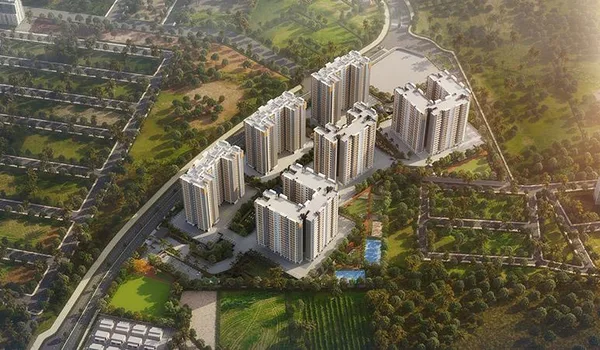
Green and sustainable apartments are no longer a niche in Devanahalli; in 2026 they are increasingly the default in the township-scale projects filling the airport corridor. Features like rainwater harvesting, solar power, sewage recycling, waste segregation and EV charging cut a home's running costs and its environmental load, while independent ratings from bodies like IGBC and GRIHA give buyers proof that the sustainability is real rather than marketing. For a city that has faced water stress, these features matter as much for the wallet as for the planet.
This guide explains what actually makes an apartment green, the specific features to look for on a site visit, and how sustainability affects your monthly costs and long-term value when buying near Devanahalli. Many of these features are strongest in large gated townships, so it pairs well with a look at community-scale projects on the belt.
Green Apartment Features in Devanahalli 2026 Overview
The table lists the main sustainability features and what to check for each on a project.
| Feature | What it does | What to look for |
|---|---|---|
| Rainwater harvesting | Recharges groundwater, cuts water bills | Working recharge pits and storage |
| Solar power | Runs common-area lighting and water heating | Rooftop solar and solar water heaters |
| Sewage treatment plant (STP) | Recycles water for flushing and landscaping | Dual plumbing and treated-water reuse |
| EV charging | Charges electric vehicles at home | Provision or points in parking bays |
| Green certification | Independently rates efficiency | IGBC, GRIHA or LEED rating |
| Waste segregation & composting | Cuts landfill, makes organic compost | Wet or dry segregation and a composter |
| Passive design | Reduces cooling and lighting energy | Cross ventilation, daylight, shading |
Features indicative, as of July 2026 — confirm what each project actually provides on your site visit.
Why Green Features Matter for Devanahalli Buyers
Sustainability is practical, not just idealistic. Bengaluru has faced real water stress, so rainwater harvesting, an STP that recycles water for flushing and landscaping, and efficient fittings directly reduce the pressure on scarce supply and on your monthly bills. Solar power for common areas and water heating trims the electricity load, and good passive design, meaning cross ventilation, daylight and shading, keeps homes cooler and cuts the need for air conditioning through Bengaluru's warm months.
On the airport corridor, where many buyers are long-term investors and end users planning to stay for years, these savings compound. A township that manages water, power and waste well also tends to be better maintained and more pleasant to live in, which supports both livability and resale. Increasingly, corporate tenants and younger buyers actively look for green credentials, adding to demand.
- Water: harvesting and recycling ease Bengaluru's supply stress
- Energy: solar and passive design cut power use and bills
- Livability: greener townships are cooler and better kept
- Demand: tenants and buyers increasingly seek green credentials
Bottom line: green features cut real costs and improve daily living, which is why they matter well beyond the environmental case.
The Green Features to Look For
On a site visit, go past the brochure and check what is actually installed and working. Ask whether rainwater harvesting pits and storage are functional, whether the STP recycles water into a dual-plumbing line for flushing and gardens, and whether solar is used for common-area lighting or water heating. Confirm EV-charging provision in the parking, waste segregation and composting arrangements, and whether the project carries a genuine IGBC or GRIHA certification rather than a vague green claim.
These features are usually strongest in large, well-planned gated communities, where the scale justifies an STP, solar plant and proper waste systems. The lead pre-launch on the belt is Godrej Devanahalli by Godrej Properties, near Kempegowda International Airport; to compare community-scale projects where these systems are common, read the best gated community apartments guide.
- Verify: confirm systems are installed and working, not just planned
- Water and power: harvesting, STP reuse, solar and heaters
- Mobility and waste: EV points, segregation and composting
- Proof: ask for an IGBC or GRIHA rating in writing
Bottom line: inspect the systems in person and insist on real certification — scale and proof separate a green project from a green label.
What Sustainability Means for Cost and Value
Green features touch both what you pay and what the home is worth. Upfront, a certified sustainable project may cost a little more, but solar, rainwater harvesting and recycled water lower electricity and water bills, and efficient design reduces cooling costs, so the running-cost saving usually offsets that extra over the years you hold the home. Better-run water and waste systems also mean fewer civic headaches and steadier maintenance.
On value, sustainability is becoming a resale advantage. As buyer awareness grows and running costs stay top of mind, certified green apartments are easier to sell and rent, and they tend to hold demand better than comparable non-green stock. Treat green credentials as one factor alongside price, location and builder track record, verify the certification, and weigh the lifetime saving rather than only the sticker price when you compare projects on the corridor.
- Upfront: a modest extra cost on certified green projects
- Running cost: lower water, power and cooling bills over time
- Resale: growing demand makes green homes easier to sell
- Decision: weigh lifetime savings, not just the sticker price
Bottom line: sustainability usually pays back through lower bills and stronger resale, so judge green homes on lifetime value, not upfront cost alone.
Frequently Asked Questions
1. What makes an apartment green or sustainable?
Features that cut resource use, such as rainwater harvesting, solar power, sewage recycling, waste segregation, EV charging and energy-efficient design, often certified by a green-rating body.
2. Are green apartments more expensive in Devanahalli?
Green projects can carry a small upfront premium, but lower water, power and maintenance bills usually offset it over time, and many features are now standard in newer townships.
3. What is an IGBC or GRIHA rating?
They are Indian green-building certifications that independently rate a project on energy, water, materials and design efficiency, giving buyers proof of genuine sustainability.
4. Do green features actually lower running costs?
Yes. Solar, rainwater harvesting and recycled water trim electricity and water bills, while efficient design cuts cooling and lighting needs, lowering monthly outgoings for residents.
5. Is rainwater harvesting mandatory in Bengaluru?
Yes. Rainwater harvesting is required for most buildings above a set plot size in Bengaluru, so verify that the project has working recharge and storage systems in place.
6. Do sustainable apartments have better resale value?
Often yes. Lower running costs, certification and growing buyer awareness make green apartments easier to sell and rent, supporting stronger long-term resale demand.
Conclusion
Green and sustainable apartments in Devanahalli are a practical choice for 2026, not just an ethical one. Rainwater harvesting, solar power, water recycling, waste management, EV charging and efficient design cut real costs and make daily living better, while IGBC or GRIHA certification proves the sustainability is genuine. These systems are strongest in large gated townships on the airport corridor, where scale supports them. On your shortlist, verify what is actually installed and rated, weigh the lifetime savings against any upfront cost, and treat green credentials as one clear factor alongside price, location and builder track record before you finalise a home.
Godrej Devanahalli Blog