How to Rent Out and Manage Your Devanahalli Apartment in 2026

Renting out a Devanahalli apartment turns a long-term asset into monthly income, but the return depends on how well you prepare the flat, screen tenants and stay on top of compliance. In 2026, a well-kept 2 or 3 BHK in a good township on the airport corridor typically earns a gross yield of roughly 2.5 to 3.5 percent a year, with the airport, aerospace SEZ and business parks feeding a steady stream of working tenants. The difference between an average and a strong let is usually process, not luck.
This guide walks through the full landlord journey for an apartment near Devanahalli: getting the home ready, marketing and screening tenants, drafting a sound rental agreement, and managing the tenancy and its costs over time, whether you live nearby or let from another city. If you own or are buying a branded township home such as Godrej Devanahalli by Godrej Properties near the airport, the same steps apply.
Devanahalli Rent-Out Workflow 2026 Overview
The table lays out the main stages of letting a flat and what each one costs or involves.
| Stage | What it covers | Indicative cost / timeline |
|---|---|---|
| Prepare the flat | Deep clean, repairs, basic fittings, photos | ~₹10,000–50,000, 1–2 weeks |
| List and market | Rental portals, broker, society notice, viewings | Broker ~half to one month's rent |
| Screen and agree | Tenant checks, rent, deposit, terms | Deposit ~3–10 months' rent held |
| Documentation | Rental agreement, ID, police verification | ~₹500–2,000 stamp / e-stamp |
| Handover | Inventory list, meter readings, keys | ~1 day |
| Ongoing management | Rent collection, repairs, renewals | ~8–10% of rent if managed |
Figures indicative, as of July 2026 — confirm current rents, deposits and charges locally before you rely on them.
Getting Your Devanahalli Flat Ready to Let
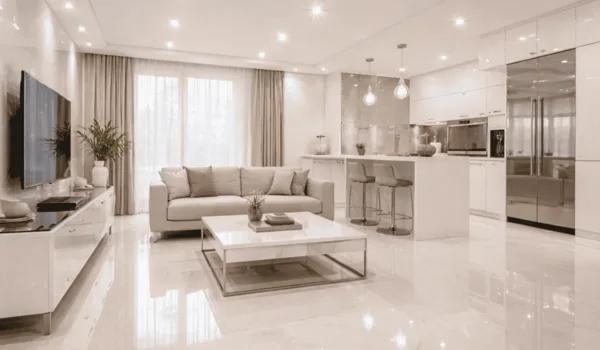
A tenant-ready flat rents faster and at a better rate. Start with a deep clean, fix any plumbing, electrical and seepage issues, service the geyser and fans, and touch up paint where needed. Decide up front whether you are letting unfurnished, semi-furnished with a modular kitchen and wardrobes, or fully furnished, since near the airport and business parks a semi-furnished or furnished 2 or 3 BHK often earns more with corporate tenants.
Then package the home well. Good daylight photos, an honest listing that names the project, floor, facing and amenities, and a realistic asking rent benchmarked against similar units will pull better enquiries. Confirm your khata, latest property tax and society maintenance are clear, since arrears can stall a tenancy or a police verification later.
- Condition: clean, repair and repaint before you list
- Furnishing: semi or fully furnished often earns more near job hubs
- Listing: clear photos, honest details, a benchmarked rent
- Dues: clear tax and maintenance before the tenant moves in
Bottom line: a clean, well-presented and correctly priced flat lets faster and holds a stronger rent.
Finding Tenants and the Rental Agreement
Market the flat across rental portals, a trusted local broker and your society notice board, then screen every applicant before you commit. Check stable employment, ask for references, verify photo ID, and prefer tenants whose workplace and budget fit the home. On the corridor, employees linked to the airport, aerospace SEZ and business parks are a natural pool, and screening well up front prevents most problems later.
Put the deal in writing. A clear rental agreement should state the rent, the security deposit, the lock-in and notice period, the escalation clause, who bears maintenance and utilities, and the condition of any furnishings via an inventory list. Eleven-month agreements are usually notarised on stamp paper, while leases of twelve months or more should be registered to stay enforceable. Complete tenant police verification, and for corporate lets keep the company details on record.
- Reach: portals, broker and society board together widen the pool
- Screening: verify job, references and ID before you sign
- Agreement: rent, deposit, lock-in, notice, escalation, upkeep
- Compliance: police verification and registration for longer leases
Bottom line: screen carefully and document everything — a good tenant and a sound agreement are what protect your income.
Managing the Tenancy, Costs and Returns
Once a tenant is in, management is about steady rent, quick repairs and clean records. Collect rent digitally for a clear trail, respond promptly to genuine maintenance so the home stays in shape, and diarise the renewal and escalation dates. If you live far away or let from another city, a property manager, usually 8 to 10 percent of the rent, can handle collection, repairs, inspections and re-letting; the fee is often worth it for hands-off or NRI owners who value certainty of rent.
Keep an eye on the true return, not just the headline rent. Net yield is what remains after society maintenance during vacancies, repairs, periodic repainting, property tax, any management fee and income tax on the rent. Budget for occasional vacancy between tenants, and revisit the rent at each renewal against the market. To size returns before you buy or re-let, read the rental yield and ROI guide, and if you are still weighing whether to hold or let, the rent vs buy guide helps frame the decision.
- Routine: digital rent, prompt repairs, tracked renewals
- Manager: 8–10% of rent suits busy or NRI landlords
- Net return: deduct maintenance, tax, vacancy and fees from rent
- Review: benchmark and revise rent at each renewal
Bottom line: manage for steady rent and low vacancy, and judge the let on net yield after all costs, not headline rent.
Frequently Asked Questions
1. How much rent can I get for an apartment in Devanahalli?
It varies by size and project, but a 2 or 3 BHK in a good Devanahalli township typically earns a gross rental yield of roughly 2.5 to 3.5 percent a year on current values.
2. Should I use a property manager or rent out myself?
Self-managing saves fees if you live nearby and have time; a property manager, usually 8 to 10 percent of rent, suits busy or NRI owners who want hands-off letting.
3. What documents do I need to rent out my flat?
Keep your sale deed or allotment, khata, latest tax and maintenance receipts, KYC, and a signed rental agreement with the tenant's ID and police verification.
4. Is a rental agreement registration required in Karnataka?
Agreements of 11 months are usually notarised on stamp paper; leases of 12 months or more should be registered. Register longer tenancies to keep the agreement enforceable.
5. How do I find good tenants in Devanahalli?
List on rental portals, use a local broker and your society notice board, then screen for stable employment, references and clean ID before signing the agreement.
6. What ongoing costs come with letting out a flat?
Budget for repairs, periodic repainting, society maintenance during vacancies, property tax, and any management fee, plus income tax on the net rent you earn.
Conclusion
Renting out a Devanahalli apartment is a straightforward way to earn from the corridor's airport-led demand, provided you treat it as a process. Prepare and present the flat well, screen tenants and document the deal properly, and manage the tenancy for steady rent and low vacancy. Decide honestly whether to self-manage or hand it to a property manager, keep your khata, tax and maintenance current, and judge the let on net yield after all costs rather than the headline rent. Do that, and a well-located 2 or 3 BHK on the belt can deliver dependable income alongside its long-term appreciation.
Godrej Devanahalli Blog