Devanahalli Corridor Jobs and Employment Hubs Demand Guide 2026
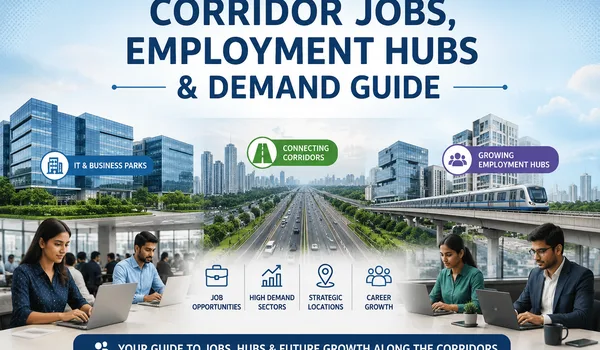
Housing demand follows jobs, and on the Devanahalli corridor the jobs base is what turns an airport-belt address into a place people actually want to rent and buy. The aerospace park, the hardware SEZ, planned business parks and the sprawling airport ecosystem each employ a growing workforce, and that workforce needs homes within an easy commute. Understanding which employment hubs are operating, who they hire and how much rental and end-user demand they create tells you far more about a project's letting prospects than a headline price. This guide explains the corridor's employment hubs and how the jobs they create drive housing demand.
Below, we map the main job engines around Devanahalli, show how each feeds rental and end-user demand, and how to read that demand before you buy. Because job-led demand is what underpins letting income, read this alongside the rental yield and ROI guide, which puts numbers to the returns the workforce supports.
Devanahalli Corridor Employment Hubs at a Glance
The table maps the main job engines on the belt, who they employ and how that feeds housing demand.
| Employment hub | Who it employs | Housing demand effect |
|---|---|---|
| KIADB Aerospace Park & hardware SEZ | Aerospace, electronics and manufacturing workers | Broad, growing base for rentals and end-user homes |
| Airport ecosystem | Airline, ground, cargo, hospitality and retail staff | Steady demand for compact homes near shift jobs |
| Planned business & IT parks | Office, IT and services professionals | Future upside for mid and upper-segment apartments |
| Logistics & warehousing (NH-44) | Supply-chain, transport and warehouse staff | Support demand for affordable and rental stock |
| Aerospace & defence manufacturing | Engineers, technicians and skilled trades | Reliable mid-segment tenant and buyer pool |
| Nearby IT belts (Yelahanka, Manyata side) | Spillover IT and services workers | Extra catchment for well-connected projects |
Guidance indicative, as of July 2026 — verify current occupancy and hiring at each hub before you rely on it.
How Each Hub Feeds Housing Demand
Every employment hub creates a slightly different kind of demand, and the trick is to read who actually works there and where they want to live. The Devanahalli belt is anchored by the KIADB Aerospace Park and hardware SEZ, whose aerospace, electronics and manufacturing roles create a broad workforce that wants short commutes, which is exactly the demand that fills branded apartments and supports rents. The airport ecosystem layers on top: airline and ground crew, cargo and logistics staff, hotel and retail workers and maintenance teams, many on shifts, add steady demand for compact, well-connected homes close to the terminal.
The planned business and IT parks are the future-dated layer, promising office and services jobs that would deepen demand for mid and upper-segment homes as they fill, while logistics and warehousing along NH-44 and the aerospace and defence manufacturing units support a reliable mid-segment tenant and buyer pool today. Spillover from the Yelahanka and Manyata-side IT belts widens the catchment for projects with easy road access. The lead pre-launch on the corridor, Godrej Devanahalli by Godrej Properties, sits within reach of this widening job base. The single most useful habit is to weigh each hub by whether it is hiring and occupied now, or only planned.
- Anchor jobs: the aerospace park and SEZ set the base workforce and demand
- Airport ecosystem: shift-based roles add steady demand for compact homes
- Future upside: business and IT parks would deepen mid and upper-segment demand as they fill
- Support base: logistics, warehousing and manufacturing sustain mid-segment tenants
Reading Job-Led Demand and Positioning for It
In 2026, the Devanahalli jobs base is real but still building: the airport and early aerospace and logistics activity already support demand, while business-park and SEZ occupancy is still filling in. That mix is why rental demand is genuine yet uneven across the belt, stronger near operating hubs and thinner where jobs are still promised. To read it, track real hiring and occupancy rather than announcements: which parks and SEZ units are operational, who is employing there, how many shifts run, and how full nearby rentals already are. The residential counterpart to this jobs map is the set of projects positioned around these hubs, covered in the apartments near IT parks and business hubs guide.
Positioning follows the demand you can verify. For letting income, a compact, well-connected 2 or 3 BHK near an operating hub with easy NH-44 access tends to let fastest and hold occupancy, because that is what most corridor workers and young families want. Branded projects with amenities usually see steadier tenant interest than isolated stock, and buying within an easy commute of several employers spreads your vacancy risk. Whichever you choose, base your rent assumptions on today's operating job base rather than the full future map, verify hiring and occupancy before you count on a yield, and treat the promised parks as upside rather than a certainty.
- Read the base: count operating employers within an easy commute of the project
- Favour compact, connected stock: 2 and 3 BHK near hubs let fastest
- Spread the risk: proximity to several employers steadies occupancy
- Verify first: base rents on today's jobs, treat promised parks as upside
Turning It Into a Decision
Before you buy on a jobs thesis, get past the brochure and check what is genuinely hiring on the ground. Confirm which employment hubs are operational, who is employing there and how many workers they draw, then judge honestly how much of that demand sits within an easy commute of your target project. Weigh the entry price and expected rent against the depth of that job base, and be clear whether you are buying on demand that exists today or on parks that are still to fill.
Then set expectations to the reality of a growing corridor: the jobs base deepens over years as parks and the SEZ occupy, and rents firm as that happens rather than overnight. A well-located home bought within reach of several operating employers, with a realistic view of occupancy, quietly earns and holds value as the belt matures, whereas a purchase made on a single promised park can disappoint if hiring slips. Read the job base carefully, favour compact and well-connected homes, verify the hiring, and book a site visit to see the corridor and its commute for yourself before you commit.
Frequently Asked Questions
1. What are the main employment hubs near Devanahalli?
The main job engines are the KIADB Aerospace Park and hardware SEZ, the airport ecosystem itself, planned business and IT parks, aerospace and defence manufacturing, and logistics and warehousing along NH-44. Together they create a broad, growing workforce that underpins housing demand on the corridor.
2. How do jobs on the corridor drive housing demand?
A local jobs base creates both rental and end-user demand: workers who want short commutes rent or buy nearby, which fills apartments, supports rents and firms resale. The deeper and more varied the employment base, the more reliable that demand and the lower the vacancy risk for owners.
3. Does the airport itself create housing demand?
Yes. Beyond flights, the airport supports airline and ground staff, cargo and logistics, hospitality and hotels, retail, security and maintenance roles. Many of these workers want to live close to shift-based jobs, which adds steady rental demand near Devanahalli, especially for compact homes.
4. Is the Devanahalli jobs base big enough to support rents today?
It is growing rather than fully mature. The airport and early aerospace and logistics activity already support demand, while business parks and SEZ occupancy are still filling. That means rental demand is real but still building, so verify current occupancy and hiring before assuming a particular yield.
5. Which homes benefit most from job-led demand?
Compact, well-connected 2 and 3 BHK homes near the main job hubs tend to let fastest, because that is what most corridor workers and young families want. Branded projects with amenities and easy NH-44 access usually see stronger, steadier tenant interest than isolated stock.
6. How can I judge job-led demand before I buy?
Track real hiring and occupancy, not announcements: which parks and SEZ units are operational, who is employing there, and how full nearby rentals are. The more operating employers within an easy commute, the more dependable the housing demand around your target project.
Conclusion
Housing demand on the Devanahalli corridor rides on its jobs, and reading the employment hubs is the key to buying a home that lets and holds value. The aerospace park and hardware SEZ anchor a broad workforce, the airport ecosystem adds steady shift-based demand for compact homes, and planned business and IT parks promise deeper demand as they fill, while logistics, warehousing and manufacturing sustain a reliable mid-segment pool today. In 2026 that base is real but still building, which is why rental demand is genuine yet stronger near operating hubs. Judge the corridor by what is actually hiring and occupied rather than by announcements, favour compact and well-connected homes within reach of several employers, verify the hiring and occupancy, and book a site visit to see the commute for yourself before you commit.
Godrej Devanahalli Blog