Property Tax and Khata Guide for Devanahalli Apartment Owners 2026
Owning an apartment on the Devanahalli corridor comes with two ongoing civic responsibilities that many first-time buyers overlook: holding a clean khata and paying property tax every year. These are not one-time formalities like registration; they follow the home for as long as you own it, and they directly affect your ability to raise a loan against the property, sell it smoothly or pass it on. In 2026, with Karnataka moving records online through e-khata, getting these basics right from day one saves a lot of friction later.
This guide explains how khata and property tax work for an apartment near Devanahalli: what a khata is, the difference between A khata and B khata, how annual property tax is assessed and paid, what e-khata changes, and what to confirm before you buy. It picks up where the one-time paperwork ends, so read it alongside the property documents and registration guide for the full ownership picture.
Devanahalli Khata and Property Tax Overview
The table sets out the ownership records and taxes an apartment owner deals with and what each one involves.
| Item | How it works in the Devanahalli area | What to confirm |
|---|---|---|
| Khata | Civic record of ownership for tax and municipal use | That a clean khata exists in the owner's name |
| A khata vs B khata | A khata is fully compliant; B khata flags pending compliance | Which type applies to the project |
| e-khata | Digital khata record rolled out across Karnataka | Whether the project's khata is available online |
| Property tax | Annual tax on built-up area, usage and location | That tax is paid up to date, with receipts |
| Collecting body | Local town municipal council or gram panchayat, not BBMP | Which body covers your specific project |
| Khata transfer | Record is moved to your name after registration | The process and timeline for transfer |
Guidance indicative, as of July 2026 — civic rules and the collecting body vary by location, so confirm the current position for your project before you rely on it.
Khata Explained A Khata, B Khata and e-Khata
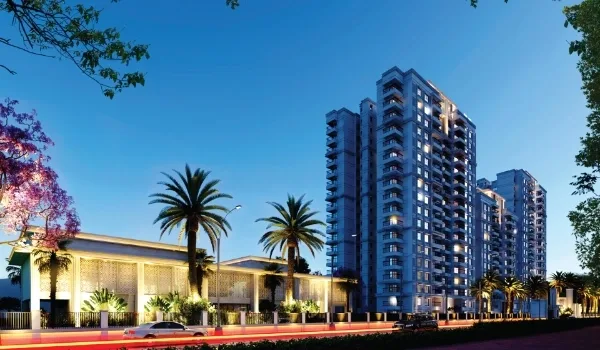
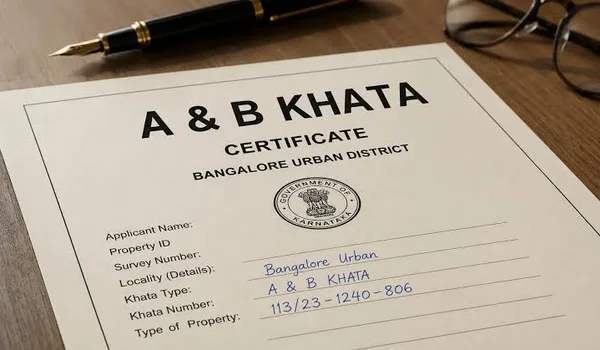
A khata is the civic record that identifies who owns a property for tax and municipal purposes. It is not the same as a title deed, which proves ownership; rather, it is the account through which the local body assesses and collects property tax and issues permissions. For an apartment, the khata reflects your undivided share in the land and the built-up area of your flat, and you need it to pay tax, apply for a home loan and register a resale, which is why a clean khata is central to protecting your home's value. The lead pre-launch on the corridor, Godrej Devanahalli by Godrej Properties, is a branded, plan-sanctioned project of the kind where buyers should expect clean records.
The A khata versus B khata distinction matters because it signals compliance. An A khata marks a property as fully compliant with local building and revenue rules, and it is eligible for loans, permissions and straightforward resale; a B khata flags that some compliance or dues are pending, which can limit financing and future transfer. Buyers should prefer an A khata or a clearly clean title. Karnataka has also been rolling out e-khata, the digital version of the khata record, to make ownership and tax details easier to verify online, so ask whether your project's khata is available in the e-khata system, as digital records simplify both tax payment and resale.
- Khata: the civic record used for tax, loans and resale, distinct from title
- A khata: fully compliant and loan-eligible, the preferred position
- B khata: flags pending compliance and can limit financing
- e-khata: the digital record that makes verification and payment easier
Bottom line: a clean, preferably A khata in your name, ideally on e-khata, is what keeps ownership, loans and resale trouble-free.
How Property Tax Works and How to Pay It
Property tax is an annual charge the local body levies on a property based on factors such as built-up area, usage and location, usually on a self-assessment basis where the owner computes the tax using the prescribed formula. An important point specific to the belt is that Devanahalli sits outside the BBMP area that covers core Bengaluru, so property tax here is collected by the local town municipal council or gram panchayat that governs the project's location. Because the collecting body varies from one pocket to another, the first thing to establish is exactly which authority your apartment falls under, since that determines the rate, the portal and the process.
Paying is usually straightforward once you know the body: many local authorities offer an online portal where you enter the khata or property identification number, view the assessment and pay, while others still accept payment at the local office. Pay before the due date each year to avoid penalties, take advantage of any early-payment rebate on offer, and keep every receipt, because paid-up tax records are checked during a home loan and a resale. Keeping tax current and records clean is a small annual task that quietly protects the value and saleability of the home.
- Assessment: annual, on built-up area, usage and location, often self-assessed
- Collecting body: local town municipal council or gram panchayat, not BBMP
- Payment: online portal or local office, using the khata or property ID
- Records: pay on time and keep receipts for loans and resale
Bottom line: find the right collecting body, pay the annual tax on time and keep receipts, and your ownership records stay clean.
Getting Khata and Tax Right When You Buy
Before you buy, treat khata and tax as part of due diligence, not paperwork to sort out later. Confirm the type of khata on the project, check that property tax is paid up to date with receipts in hand, establish which local body collects the tax, and ask the developer how and when the khata will be transferred to your name after registration. For a resale flat especially, unpaid tax or an unclear khata can stall a loan or delay the sale, so these checks belong on the same list as the title and approvals. This ownership-record stage naturally follows registration and handover, which the possession and handover guide walks through.
After you take ownership, keep the routine simple: get the khata transferred into your name promptly, note the annual property-tax due date, pay on time through the correct body, and file every receipt with your title papers. If e-khata is available for your project, use it, since a digital record is quicker to verify when you refinance or sell. A little discipline on khata and tax keeps the home fully bankable and easy to transfer whenever you choose to move on.
Bottom line: verify khata and tax before buying, transfer the khata promptly after, and keep annual tax current so the home stays bankable and saleable.
Frequently Asked Questions
1. What is a khata and why does an apartment buyer need it?
A khata is a civic record that identifies the owner of a property for tax and municipal purposes. An apartment buyer needs it because it is used to pay property tax, apply for a home loan and complete a resale, so a clean khata protects the value of the home.
2. What is the difference between A khata and B khata?
An A khata marks a property as fully compliant with local rules and eligible for loans, permissions and easy resale, while a B khata flags pending compliance. Buyers should prefer an A khata or clear title, as a B khata can limit financing and future transfer.
3. How is property tax assessed for a Devanahalli apartment?
Property tax is assessed annually by the local body on factors like built-up area, usage and location, usually on a self-assessment basis. In the Devanahalli area it is collected by the local town municipal council or gram panchayat rather than the BBMP that covers core Bengaluru.
4. How do I pay property tax for an apartment near Devanahalli?
You pay it to the local body that covers the property, often through an online portal or the local office, using the khata or property identification number. Confirm which body applies to your project and keep every paid receipt for records and resale.
5. What is e-khata in Karnataka?
E-khata is the digital version of the khata record that Karnataka has been rolling out to make ownership and tax records easier to verify online. Ask whether your project's khata is available in the e-khata system, as digital records simplify tax payment and resale.
6. What khata and tax details should I confirm before buying?
Confirm the type of khata, that property tax is paid up to date with receipts, which local body collects the tax, and how the khata will be transferred to your name after registration, so ownership and tax records are clean from day one.
Conclusion
For a Devanahalli apartment owner, khata and property tax are the quiet, ongoing side of ownership that keeps the home fully bankable and easy to sell. The khata is the civic record behind your tax, loan and resale, so aim for a clean, preferably A khata in your name and use e-khata where it is available. Property tax is an annual, largely self-assessed charge collected here by the local town municipal council or gram panchayat rather than the BBMP, so establish the right body, pay on time and keep every receipt. Verify all of this before you buy, transfer the khata promptly after registration, and stay current each year. Handle these basics well, and your home on the corridor stays clean on paper and ready to finance or sell whenever you choose.
Godrej Devanahalli Blog