Apartment Maintenance Charges and Sinking Fund Guide for Devanahalli 2026

When you buy an apartment on the Devanahalli corridor, the sticker price is only part of the story. Every month after possession you also pay maintenance, and at handover you usually pay a one-time corpus or sinking-fund deposit. On amenity-rich townships around the airport, these recurring costs can add up to a meaningful figure over the years, so understanding how they are calculated is as important as reading the price list. In 2026, with large projects competing on clubhouses and services, a clear view of running cost keeps your budget honest.
This guide explains how maintenance and the sinking fund work before you commit near Devanahalli: how the monthly charge is calculated, what a sinking fund is and why it matters, what drives the cost up or down, how deposits and GST fit in, and what to confirm before you sign. Read it alongside the clubhouse and amenities guide, since the facilities you choose drive much of the maintenance bill.
Devanahalli Maintenance and Sinking Fund Cost Overview
The table groups the charges buyers meet after possession and what each one covers.
| Charge component | How it is usually calculated | What to check |
|---|---|---|
| Monthly maintenance | Per sq ft of built-up area, billed monthly or quarterly | The rate and what services it covers |
| Sinking fund | A reserve built up for major future repairs | How it is funded and who controls it |
| Corpus deposit | One-time amount collected at handover | The amount and how it is invested |
| Utility and metered use | Electricity, water and gas billed on actual use | Whether these sit inside or outside maintenance |
| GST | May apply above the prescribed monthly threshold | Whether your project charges it and at what point |
| Facility management | Developer or agency run the services initially | When control passes to the owners association |
Guidance indicative, as of July 2026 — confirm the exact rates, deposits and GST position with the developer or association before you rely on them.
How Maintenance Charges and the Sinking Fund Work
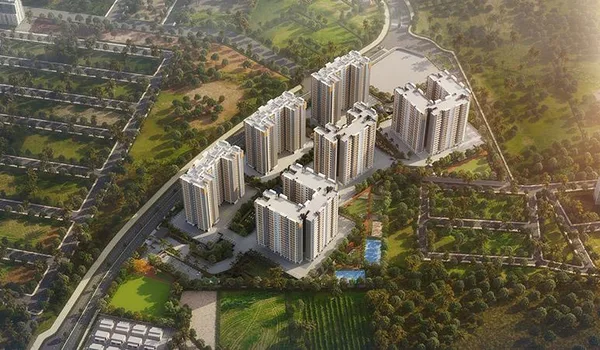
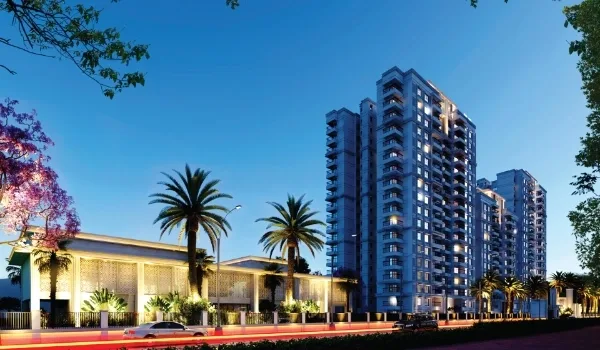
Most township-scale projects charge maintenance per square foot of built-up area each month, so a larger flat pays more than a smaller one in the same community. That charge pays for the day-to-day running of the shared property: security, housekeeping, common-area electricity and water, lift operation, landscaping, the sewage treatment plant, generator or power backup and the upkeep of the clubhouse, pool and gym. Some small buildings instead use a flat per-home charge, but the per-square-foot model is standard where there are extensive amenities to run. The lead pre-launch on the corridor, Godrej Devanahalli by Godrej Properties, is a township-style project of this kind, where maintenance covers a full amenity set.
The sinking fund is different. It is a long-term reserve the owners association builds up for major, infrequent works such as lift replacement, external painting, waterproofing, and repairs to the STP or common equipment. Because these costs are large and occasional, collecting a little each period means residents are not hit with a heavy one-off demand years later. Alongside it, most projects collect a one-time corpus deposit at handover, which seeds the reserve and provides working capital while the community settles. Together, the monthly charge and these reserves keep a large project running smoothly long after the developer hands over.
- Monthly maintenance: per sq ft, for running the shared property day to day
- Sinking fund: a reserve for major future repairs like lifts and painting
- Corpus deposit: a one-time amount collected at handover
- Handover: the developer maintains first, then hands control to the association
Bottom line: monthly maintenance runs the property today, while the sinking fund and corpus protect it against big future bills.
What Drives the Cost, and How to Read It
The single biggest driver of maintenance is the amenity load. A project with multiple pools, a large clubhouse, extensive landscaping, lifts in every tower and heavy security simply costs more per square foot to run than a plain building, because each of those features needs power, water, servicing and staff. Project size cuts both ways: a very large community can spread fixed costs across more homes, but it also runs more equipment. Quality of management matters too, since a well-run facility team controls costs and keeps the reserve healthy, while a poorly managed one lets both service and finances slip. This is why a low headline rate is not automatically good, nor a higher one automatically bad.
Read the maintenance figure against what it actually covers, and factor it into your true cost of ownership rather than treating it as an afterthought. Ask whether utilities are billed separately on metered use or bundled in, whether GST applies once the monthly charge crosses the prescribed threshold, and how long the developer maintains the project before the owners association takes over. Efficient design also helps: solar for common areas, an STP that recycles water and LED lighting all trim the recurring bill, which is why the guide to green and sustainable apartments is worth reading next to this one.
- Amenities: more facilities and larger clubhouses raise the per sq ft rate
- Management: a competent facility team controls cost and protects the reserve
- Utilities and GST: confirm what is bundled and whether GST applies
- Efficiency: solar, water recycling and LED lighting soften the running bill
Bottom line: amenities and management drive the cost, so judge the rate against the services and efficiency behind it.
Turning the Numbers Into a Decision
Before you sign, get the full running-cost picture in writing, not just the sale price. Ask the developer for the maintenance rate per square foot, the one-time corpus or sinking-fund deposit, exactly what the monthly charge covers, how utilities are billed, whether GST applies and how long the developer will run the services before handing over to the owners association. Put those figures next to your EMI and other outgoings so your budget reflects the true monthly cost of the home, not just the loan.
Then weigh value, not just the number. A slightly higher maintenance charge for a well-run, well-maintained community is usually worth it, because good upkeep protects daily life and resale value, whereas a project that underfunds its reserve can face special levies and visible decline later. Favour a sensible, transparent maintenance model and a properly funded sinking fund over the lowest possible headline rate. Confirm the numbers, compare shortlisted projects on the same basis, and book a site visit before you commit.
Bottom line: get every running cost in writing, judge it on value and a funded reserve, and let the true cost of ownership guide the choice.
Frequently Asked Questions
1. How are apartment maintenance charges calculated in Devanahalli?
Most projects charge maintenance per square foot of built-up area each month, so a larger flat pays more. Some smaller societies use a flat per-home charge instead, but the per-square-foot model is the norm for township-scale projects.
2. What is a sinking fund in an apartment?
A sinking fund is a long-term reserve the association builds up for major future repairs like lifts, painting, waterproofing and equipment replacement. It is collected on top of monthly maintenance so big costs do not fall on residents all at once.
3. What is a fair maintenance charge per square foot?
It varies with the amenities and project size, but amenity-rich townships usually cost more per square foot to run than simple buildings. Judge the figure against the facilities, staffing and services it actually covers rather than in isolation.
4. Is GST applicable on apartment maintenance charges?
GST can apply when monthly maintenance per home crosses the prescribed threshold and the association's turnover is above the limit. The exact position depends on current rules, so confirm how your project treats it with the developer or association.
5. Do more amenities mean higher maintenance charges?
Usually yes. Pools, gyms, lifts, landscaping, security and power backup all cost to run and staff, so a richer amenity set and larger clubhouse raise monthly maintenance. Weigh the facilities you will actually use against the recurring cost.
6. What maintenance details should I confirm before buying?
Ask for the maintenance rate per square foot, the one-time corpus or sinking-fund deposit, what the charge covers, how long the developer maintains the project before handover to the association, and whether GST applies.
Conclusion
On the Devanahalli corridor, maintenance and the sinking fund are the running cost behind the purchase, and they deserve the same attention as the price list. Monthly maintenance, usually charged per square foot, keeps the shared property running day to day, while the sinking fund and one-time corpus protect the community against big future bills. The amenity load and the quality of management drive the cost more than anything, so read the rate against the services it covers and the efficiency of the design. Get every figure in writing, fold it into your true cost of ownership beside the EMI, and favour a transparent model with a properly funded reserve over the lowest headline number. Judge running cost on value, and the right project on the corridor becomes a clearer, more confident choice.
Godrej Devanahalli Blog