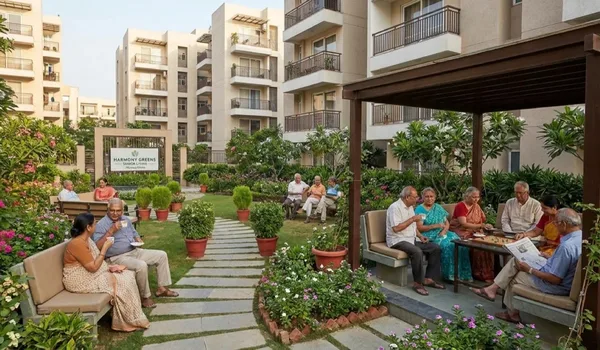
Pet-Friendly Apartments and Community Living Guide for Devanahalli 2026

If you share your home with a dog or a cat, a pet-friendly apartment is not a luxury but a basic requirement, and it shapes daily life more than the finish or the view. A clear society policy that allows pets, open green space and walking paths, pet-safe common areas and reasonable, fairly applied bye-laws matter far more than a glossy lobby. On the Devanahalli corridor, where newer township projects come with landscaped open space, walking paths and low-density layouts, a well-chosen apartment can be a genuinely comfortable home for pets and their owners, provided you check the right things before you buy.
This guide explains what makes an apartment near Devanahalli genuinely pet-friendly: the society pet policy and bye-laws, pet amenities and green space, home choice, community etiquette and what to confirm before you sign. Read it alongside the clubhouse and amenities guide, since the shared spaces a project offers shape community living for pet owners too.
Devanahalli Pet-Friendly Apartment Overview
The table groups the features that make an apartment pet-friendly and what each one asks you to check.
| Feature | Why it matters | What to check |
|---|---|---|
| Pet policy | Decides whether pets are allowed at all | Written bye-laws, no blanket ban, how they are applied |
| Open green space | Room for daily walks and exercise | Lawns, walking paths, low-density layout |
| Pet amenities | Makes life easier for pets and owners | Pet park or run, waste-disposal points |
| Home choice | Access affects daily walks | Ground-floor or podium access, lift rules |
| Etiquette rules | Keeps pets and neighbours at ease | Leashing, cleaning-up and noise norms |
| Nearby vet care | Fast help when a pet is unwell | Drive time to a vet clinic or pharmacy |
Guidance indicative, as of July 2026 — confirm the exact pet policy, bye-laws and amenities with the developer or society before you rely on them.
Pet Policy, Bye-Laws and Community Living
The first thing to settle for a pet owner is whether the society genuinely allows pets, and on what terms, so ask for the pet policy and bye-laws in writing rather than trusting a verbal assurance. A society can frame reasonable rules on leashing in common areas, cleaning up after pets, lift use and noise, but a blanket ban on keeping pets is generally not upheld and central animal-welfare guidance discourages it; what matters in practice is how fairly the rules are written and applied. In a new project, the developer sets the initial framework and the residents' association refines it later, so it is worth understanding both. The lead pre-launch on the corridor, Godrej Devanahalli by Godrej Properties, is a township-style project where landscaped open space and low-density planning are the usual pattern.
Beyond the rulebook, pet-friendly living is really about community. Clear, fair rules and shared green space help pets and neighbours coexist, while vague or contested rules cause friction that no amenity can fix. Considerate etiquette from owners, keeping a dog leashed in shared areas, cleaning up promptly and managing barking, does as much for community harmony as the policy itself. Because a well-run society is the foundation of comfortable community living, it is worth reading this next to the gated community apartments guide.
- Policy: get the pet bye-laws in writing and confirm no blanket ban
- Fairness: judge how reasonably the rules are applied, not just their wording
- Etiquette: leashing, cleaning up and noise control keep neighbours at ease
- Governance: understand how the developer and association set and refine rules
Bottom line: judge a pet-friendly home on a clear, fair written policy and a considerate community, not on marketing promises.
Green Space, Amenities and the Right Home
For pets, especially dogs, room to move is everything, so weigh the open green space, walking paths and low-density planning a project offers rather than just the built amenities. A dedicated pet park or run, where available, waste-disposal points, pet-safe landscaping without harmful plants, and enough distance between towers to keep noise down all make daily life easier. The Devanahalli corridor's township layouts tend to score better here than dense city plots, since greenery and open lawns are easier to find, which is one reason pet owners increasingly look north. A nearby vet clinic and pharmacy for routine and emergency care add real peace of mind, so check the drive time to the closest one.
The home itself matters as much as the amenities. A ground-floor or podium-access apartment makes frequent walks and quick outdoor access easy and avoids depending on lifts, which suits dogs particularly well, though the trade-off can be less privacy and light. Upper floors are perfectly workable where lift rules are reasonable and the pet is comfortable, so match the floor to your pet and your routine. On a site visit, walk the route you would take for a daily walk, notice the green space, gates and traffic, and picture the everyday reality rather than the showflat.
- Green space: open lawns, walking paths and low density help pets thrive
- Amenities: a pet park or run and waste-disposal points ease daily care
- Home choice: ground-floor or podium access suits dogs and frequent walks
- Vet care: check the drive time to the nearest clinic and pharmacy
Bottom line: put open green space, pet amenities and easy outdoor access high on the list, and match the floor to your pet.
Turning It Into a Decision
Before you sign, get the pet position in writing rather than trusting a showflat impression. Confirm that pets are allowed, read the exact bye-laws on leashing, lift use, waste and noise, check the open green space and any pet amenities, weigh a ground-floor or podium home if you have a dog, and note the drive time to the nearest vet. If the rules feel vague or a salesperson brushes off the question, treat that as a warning and press for the written policy before you commit.
Then weigh the home as a place you and your pet will live in for years, not just a purchase today. A project with a fair, settled pet policy, generous green space and a considerate community quietly makes daily life easier and keeps neighbours on good terms, whereas contested rules and no outdoor room become a constant strain. Favour a project that has thought pets and community living through, compare shortlisted options on the same basis, and book a site visit to walk the daily route before you decide.
Bottom line: get the pet policy and amenities in writing, match the home to your pet, and judge the project on how it will live for years.
Frequently Asked Questions
1. What makes an apartment pet-friendly?
A clear society policy that allows pets, open green space and walking paths, pet-safe common areas, lift access without a blanket ban, and reasonable bye-laws on leashing, waste and noise. Ground-floor or podium access and nearby vet care add to it.
2. Can a housing society in Karnataka ban pets?
A society can frame reasonable rules on leashing, lift use, waste and common areas, but a blanket ban on keeping pets is generally not upheld, and central animal-welfare guidance discourages it. Always read the exact bye-laws in writing and confirm how they are applied before you buy.
3. Does Devanahalli suit pet owners?
It can suit them well. The corridor's newer township projects tend to offer landscaped open space, walking paths and low-density layouts that pets enjoy, and greenery is easier to find than in the dense city core. Confirm the pet policy and amenities for the project you shortlist.
4. What pet amenities should I look for?
Look for open lawns and walking paths, a dedicated pet park or run where available, waste-disposal points, pet-safe landscaping, and enough distance between towers to reduce noise. A ground-floor or podium home with easy outdoor access helps for daily walks.
5. Is a ground-floor apartment better for pets?
Often yes for dogs, since it makes frequent walks and quick outdoor access easier and avoids relying on lifts. The trade-off can be less privacy and light, so weigh it against podium access and how pet-friendly the wider layout is.
6. How does pet-friendliness affect community living?
Clear, fair pet rules and shared green space help pets and neighbours coexist, while vague or contested rules cause friction. Choosing a project with a settled, reasonable policy and considerate etiquette from owners makes community living smoother for everyone.
Conclusion
On the Devanahalli corridor, a well-chosen apartment can be a genuinely comfortable home for pets and their owners when it is picked for the right things. Put a clear, fair written pet policy at the top of the list, weigh the open green space, walking paths and any pet amenities, choose a floor and access that suit your pet, and note the drive time to the nearest vet. Just as important is the community: reasonable bye-laws and considerate etiquette keep pets and neighbours at ease, which is what makes shared living work. Confirm the policy in writing, read it alongside the amenities and gated-community the project offers, walk the daily route on your site visit, and choose the home for how it will live over the years, not just how it shows today.
Godrej Devanahalli Blog